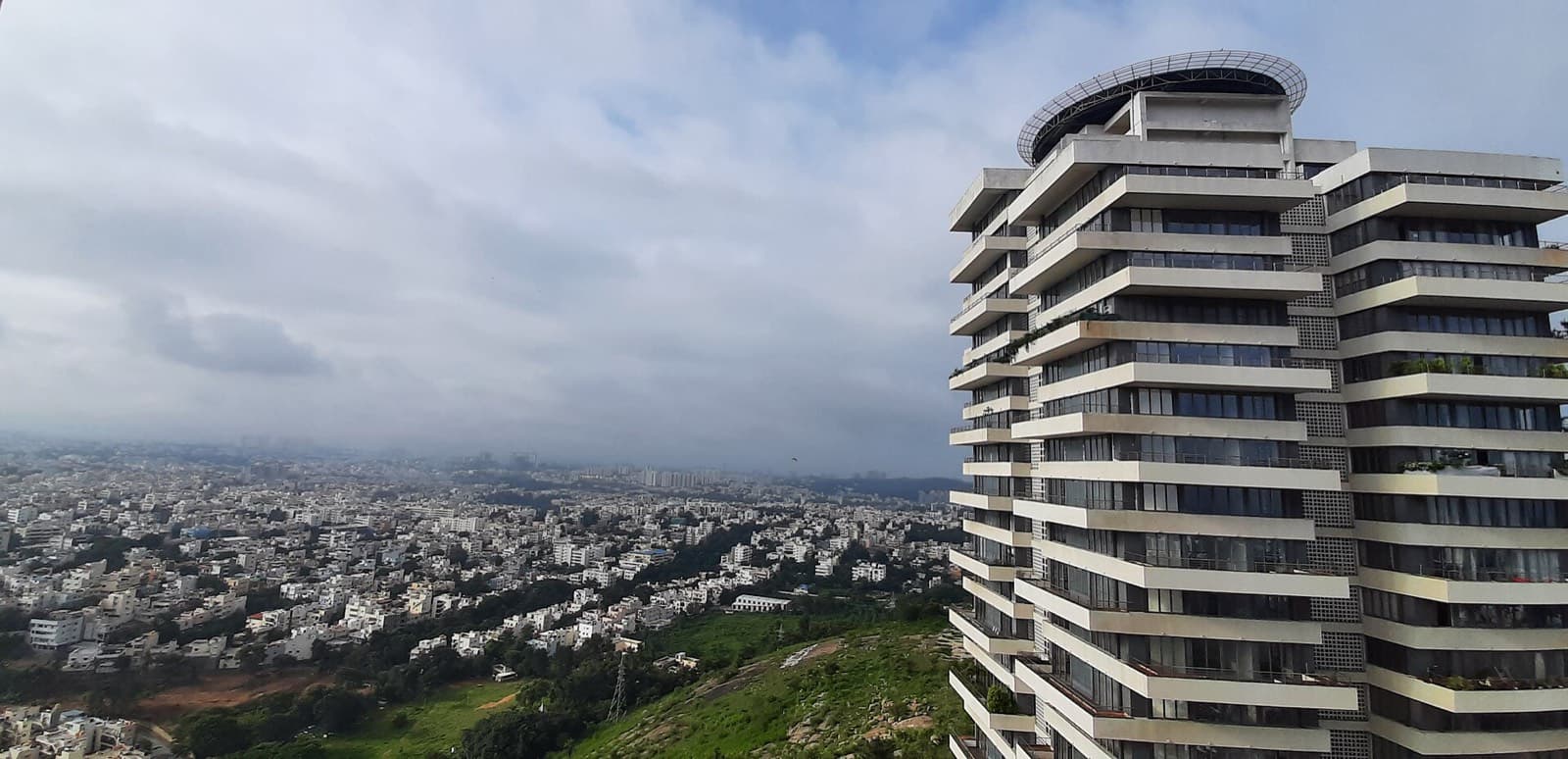
A Buyer's Guide to Resale Property in Bengaluru
Cover photo: Wikimedia Commons / Kushagra140 — CC BY-SA 4.0
Everything a homebuyer needs to know about purchasing a resale Sobha apartment or villa in Bengaluru, from paperwork and RERA checks to pricing, home loans and closing.
Why Buy a Resale Property in Bengaluru?
For a growing number of families and professionals relocating to the city, a resale property in Bengaluru offers something a fresh launch rarely can: a home you can see, touch and move into almost immediately. When you search for a ready-to-move 3 BHK apartment near me in Whitefield or Sarjapur Road, resale inventory is usually where the genuinely available options sit. There is no waiting three or four years for possession, no uncertainty about how the finished project will actually look, and no gap between paying EMIs and rent at the same time.
Resale also unlocks the most sought-after gated communities that are already sold out in the primary market. Established Sobha addresses in Panathur (560103), Marathahalli, Hennur and Thanisandra (560077) command a premium precisely because the neighbourhood has matured, the clubhouse and landscaping are complete, and the resident community is settled. For an investor, a proven rental track record in these micro-markets is far easier to underwrite than a projected yield on an under-construction tower.
Finally, resale buyers benefit from transparency. You can inspect the actual unit, meet neighbours, review the maintenance history, and verify how the builder has honoured its commitments over the years. In a market as large and fast-moving as Bengaluru, that visibility is a meaningful de-risking factor for a purchase that will likely be the single biggest financial decision of your life.
How Resale Differs From a New Booking
The most obvious difference is price discovery. A new booking is sold at a builder-fixed rate with a published price list, whereas a resale price is negotiated directly between you and the current owner. This makes market knowledge invaluable: two identical 3 BHK apartments in the same Whitefield (560066) tower can be quoted very differently depending on the seller's urgency, the floor, the view and the fit-outs already installed.
The payment structure also changes. In a new booking you pay in construction-linked instalments; in a resale you typically pay a token advance, then the balance at registration, often with a home loan disbursed in a single tranche. Because the asset already exists, the loan approval process focuses heavily on the property's legal title rather than on construction milestones.
There are extra documents unique to resale that a first-time buyer must anticipate: the chain of previous sale deeds, a No Objection Certificate from the housing society or association, and confirmation that all maintenance dues and property tax are cleared up to the handover date. None of these apply to a first-owner booking, so budgeting time for this diligence is essential.
The Value of Local Pricing Guidance
Bengaluru's resale market is intensely micro-local. A short distance can separate a quiet, tree-lined pocket of Banashankari from a congested arterial stretch, and prices reflect that difference sharply. Understanding the prevailing per-square-foot range in a specific project, and not just the locality, is the single biggest protection against overpaying.
Two reference points matter in Karnataka. The first is the government guidance value (also called the guideline or circle rate), which is the minimum value on which stamp duty is calculated and is published on the Kaveri Online Services portal. The second is the actual market rate, which usually sits above guidance value in prime areas like Sarjapur Road and Thanisandra. Knowing the gap between the two tells you both your registration cost and whether an asking price is realistic.
This is where a specialised resale advisor earns their fee. Rather than relying on a single online listing, a good advisor benchmarks recent registered transactions in the same tower, factors in floor rise, facing and amenities, and helps you enter a negotiation with defensible numbers. For relocating buyers unfamiliar with the city, this local guidance shortens the search and prevents costly mistakes.
Essential Paperwork: Sale Deed, Khata and More
The mother document in any Bengaluru property purchase is the sale deed, the registered instrument that transfers ownership from seller to buyer. Before you reach that stage, you should review the entire chain of title, tracing ownership back through every previous sale deed to confirm there are no gaps or disputed transfers. Any break in this chain is a red flag worth pausing on.
Equally important is the khata, the municipal record maintained by the BBMP or the relevant panchayat that identifies the property owner for tax purposes. An A-khata is preferable, as it confirms the property is fully compliant and eligible for smooth loans and future resale; a B-khata carries limitations you must understand before committing. Always collect the latest property tax paid receipts alongside the khata certificate and extract.
Two further documents complete the core set. The encumbrance certificate, obtained from the sub-registrar, shows all registered transactions and mortgages against the property over a period of years, confirming it is free of undisclosed loans or liens. The society or association NOC certifies that maintenance dues are cleared and that the association has no objection to the transfer. Together these establish that you are buying a clean, unencumbered asset.
Verifying the Project on RERA Karnataka
Even for a resale unit, checking the project's registration on the RERA Karnataka portal is a non-negotiable step. Every project of a qualifying size launched after the Act came into force must be registered, and the public portal lets you view the promoter details, approved plans, the completion status and any complaints filed by other buyers.
For a completed Sobha project, look specifically for the occupancy certificate and the project completion status. These confirm that the building has been legally cleared for habitation by the local authority, which matters both for your safety and for your bank's willingness to lend. A project without a valid completion or occupancy certificate can create serious obstacles at the loan and registration stage.
Cross-checking the RERA carpet area against what the seller and the original agreement state also protects you from any discrepancy between the super built-up area used in marketing and the actual usable space you are paying for. A few minutes on the portal can surface issues that no brochure would ever reveal.
Home Loan Basics for Resale Buyers
Most resale purchases in Bengaluru are part-funded by a home loan, and banks treat resale lending as a title-driven exercise. The lender will run its own legal and technical valuation of the property, so a clean chain of documents directly affects how much and how quickly you can borrow. Keeping the sale deed chain, khata, encumbrance certificate and approved plan ready speeds this up considerably.
Lenders typically finance up to 75 to 90 percent of the property value depending on the loan amount, with the balance funded as your down payment. Remember that stamp duty and registration charges are usually not included in the loan and must be arranged separately from your own funds, so budget for these upfront. In Karnataka, stamp duty and registration together add a meaningful percentage to your total outlay.
For older resale properties, banks also consider the age and remaining life of the building when fixing the loan tenure. A well-maintained Sobha gated community with strong construction quality generally poses no issue, but it is wise to get an in-principle sanction before you commit a token amount, so that your negotiation and timeline are built on a realistic borrowing capacity.
Inspecting the Property Before You Commit
A resale home should never be bought unseen. Visit the unit at different times of day to assess natural light, ventilation and noise, and check the actual facing against what is claimed. In Bengaluru's climate, cross-ventilation and the direction of the balcony make a real difference to daily comfort and to long-term resale appeal.
Inspect the practical condition of the flat: look for seepage or damp patches on ceilings and bathroom walls, test taps and flushes for water pressure, check the electrical points and the condition of woodwork, flooring and windows. In apartments, ask about the age of common infrastructure such as lifts, water treatment plants, backup generators and the borewell or Cauvery water supply, since these affect future maintenance costs.
Beyond the four walls, evaluate the community itself. Assess parking allocation, clubhouse upkeep, security arrangements and how well the association manages the estate. For families, proximity to reputed schools, hospitals and the metro or ORR employment hubs in Whitefield, Marathahalli and Sarjapur Road adds both liveability and future value.
Negotiation and the Closing Timeline
Armed with pricing guidance and a clear diligence checklist, you can negotiate from a position of strength. Sellers often price in a buffer, so a well-researched offer that references recent registered rates in the same project is more persuasive than an arbitrary lowball. Points such as pending maintenance, needed repairs, or a seller keen for a quick sale all give you room to agree a fair number.
Once a price is agreed, the transaction usually moves through a sale agreement with a token or advance payment, followed by loan sanction and disbursement, then final registration at the sub-registrar office where stamp duty is paid and the sale deed is executed. From accepted offer to registration, a smooth resale deal in Bengaluru typically takes around four to eight weeks, with the loan and document verification being the main variables.
After registration, complete the post-purchase formalities: apply for khata transfer to your name, update the property tax records, and notify the housing association to transfer the maintenance account. Completing these promptly ensures your ownership is fully recorded and that any future sale or loan against the property proceeds without friction.
Related Questions
Yes, resale can be very safe provided you complete proper due diligence. Because the property already exists, you can physically inspect it, verify a complete chain of sale deeds, check the encumbrance certificate and confirm the project on the RERA Karnataka portal. A ready home with a clean title and a valid occupancy certificate often carries less uncertainty than an under-construction booking.
At minimum, review the registered sale deed and the full chain of previous title documents, the latest khata certificate and extract, property tax paid receipts, and an encumbrance certificate covering several years. You should also obtain an NOC from the housing society confirming maintenance dues are cleared and check the approved building plan and occupancy certificate.
A-khata identifies a property as fully compliant with municipal regulations, making it eligible for smooth home loans, easy registration and hassle-free future resale. B-khata denotes properties with certain regulatory shortfalls and can create limitations on loans and transfers. Always confirm the khata status before committing, as it directly affects financing and long-term value.
Stamp duty and registration together add a meaningful percentage to the property cost in Karnataka and are calculated on the higher of the transaction value or the government guidance value. These charges are generally paid from your own funds and are not covered by the home loan, so you should budget for them separately when planning your purchase.
Yes. Banks readily finance resale purchases, typically funding 75 to 90 percent of the property value subject to a satisfactory legal and technical valuation. A clean title, A-khata and a completed, RERA-registered project speed up approval. It is wise to secure an in-principle sanction before paying a token amount so your budget and timeline are realistic.
A well-prepared resale transaction in Bengaluru usually takes around four to eight weeks from an accepted offer to final registration. The main variables are home loan sanction and disbursement and the time needed to verify documents. Keeping paperwork ready and getting a loan pre-approval can significantly shorten the overall timeline.
Have a specific property in mind?
Connect with our concierge desk for a private consultation.
More Insights
 Legal & RERA
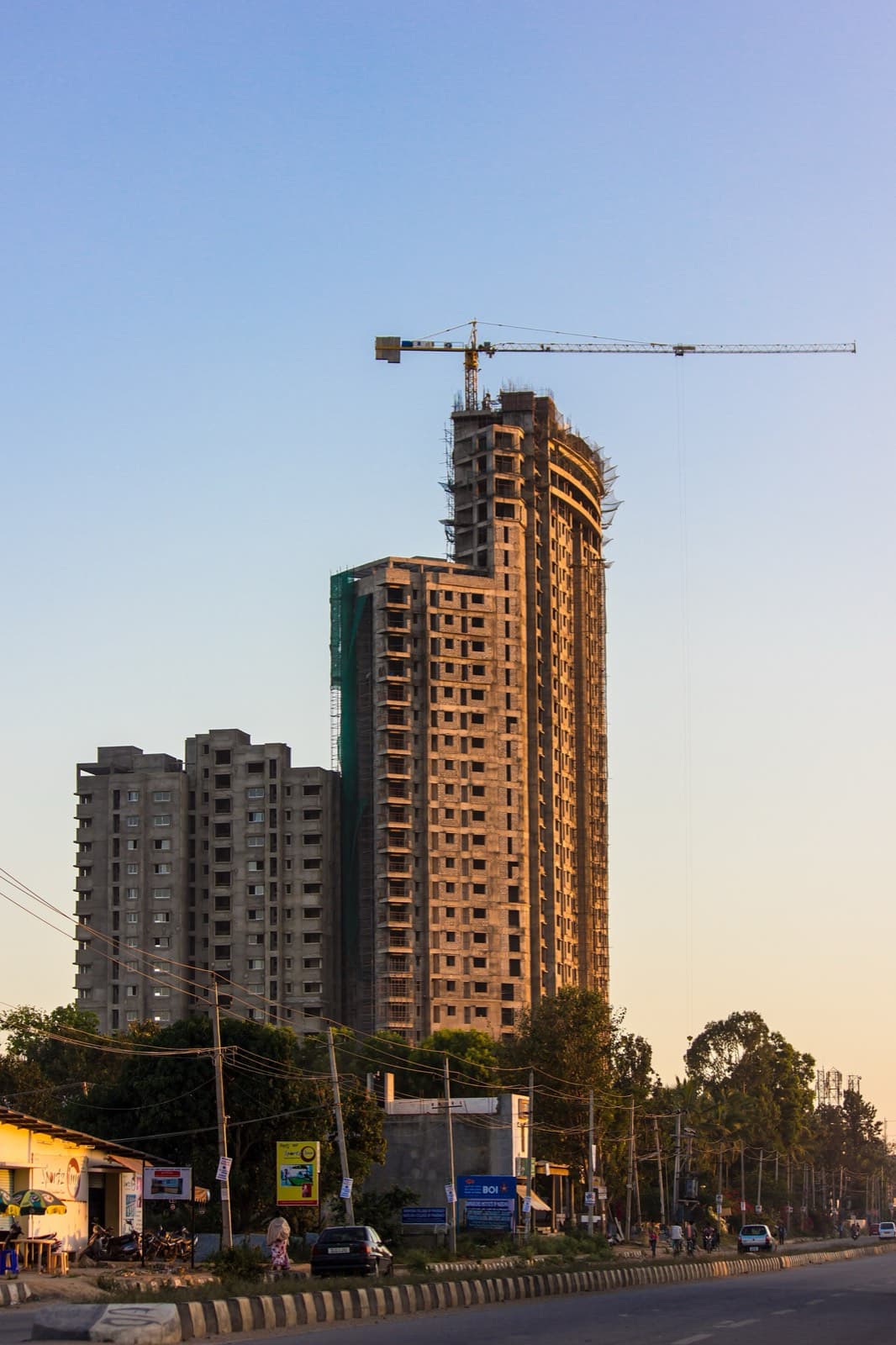
Understanding RERA Phases: What Multi-Wing Possession Really Means
A practical guide for Bengaluru resale buyers on why one Sobha township can hold several RERA IDs, how phase-wise registration works, and what possession timelines really promise.
 Market Insight
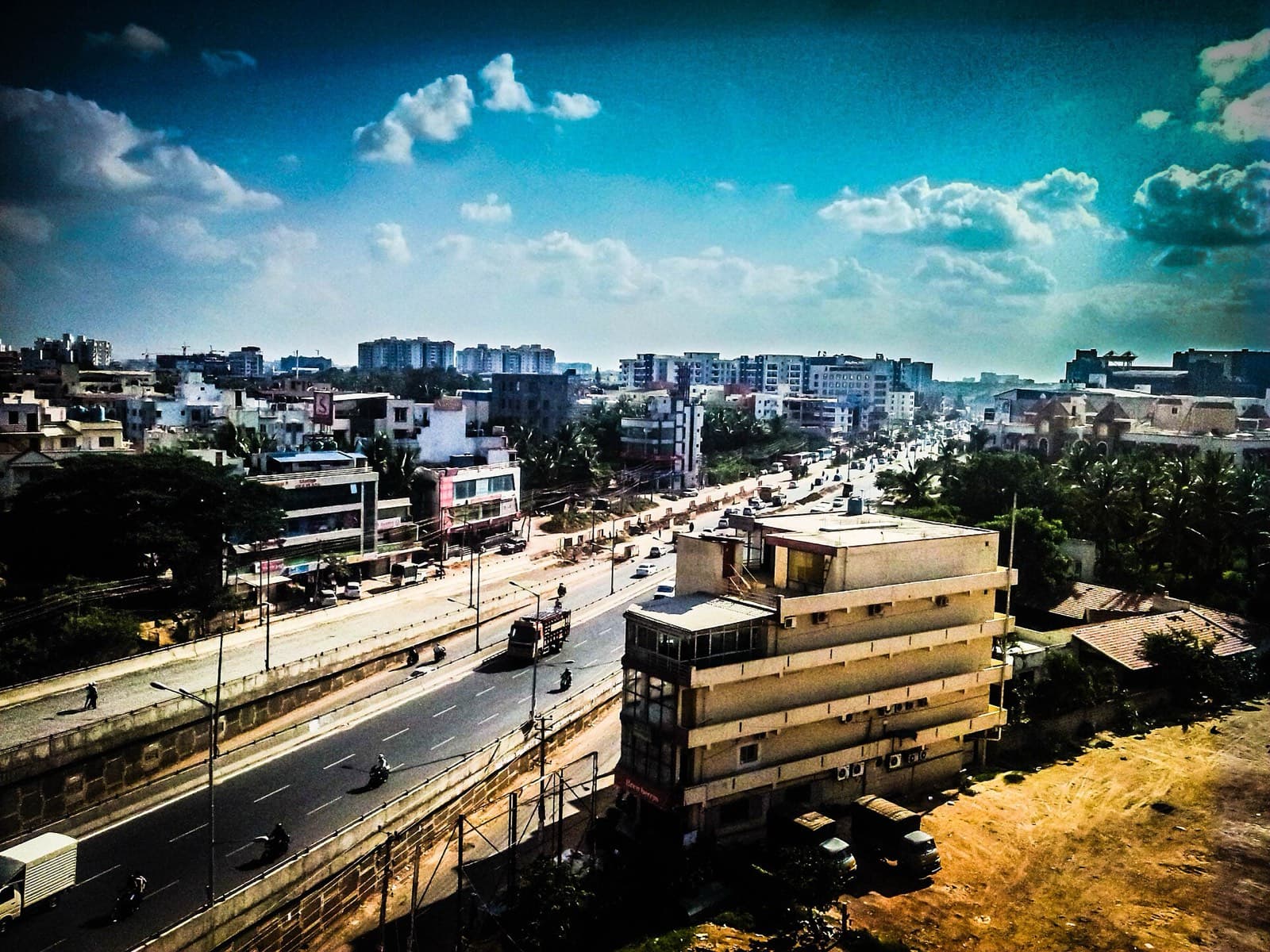
East vs North vs South Bengaluru: Comparing Micro-Markets
A practical, zone-by-zone comparison of East, North and South Bengaluru resale micro-markets covering connectivity, rental yields, price trends and which buyer each corridor genuinely suits in 2026.
 Finance
Home Loans for Resale Purchases: What Changes vs New Bookings
Financing a resale Sobha flat in Bengaluru differs from a fresh builder booking on valuation, LTV, seller loan closure and paperwork. Here is what every resale buyer should plan for.